What if functional group conversion could be measured continuously and in real time, enabling precise control of hydroxyl, acid, or epoxy numbers before deviations arise?
With real-time, inline spectroscopic probes from Hellma, this level of process insight is no longer aspirational. Real-time data replaces estimation, enabling proactive process control and reproducible product quality.
Stop guessing. Start controlling.
From coatings and adhesives to 3D printing, electronics and construction — resins and monomers form the backbone of modern performance materials. Monomers and resins act as key intermediates that undergo polymerization or further reaction to form final polymers used in high-performance coatings, adhesives, composites, and electronics. Yet their synthesis is highly sensitive to reaction conditions and kinetically demanding.
In resin and monomer production, critical quality parameters are defined long before the final product is tested. Hydroxyl number, acid number, and epoxy number are not adjusted downstream but are established by the reaction progress itself.
Small deviations in reaction progress lead to:
In highly reactive polymer systems, a slight variation in temperature, concentration or reaction time can already result in massive quality loss. And yet, in many processes, control still relies on offline sampling and laboratory analysis. By the time results are available, the reaction is often irreversible.
Process Analytical Technology (PAT) enables manufacturers to move from delayed quality control to real-time process understanding. Using inline spectroscopic methods such as IR, NIR or Raman, PAT provides continuous insight into reaction progress, functional group conversion and key molecular properties while the chemistry is still evolving.
Instead of waiting for laboratory results, manufacturers gain real-time control over:
| ✔ Monomer conversion and residual monomer content ✔ Reaction kinetics and catalyst activity ✔ Functional group development | ✔ Temperature and viscosity within the reactor ✔ Curing and cross-linking processes ✔ Polymer structure, additives and fillers |
This is particularly relevant for synthesis routes such as polycondensation, polyaddition and radical polymerization, where even small variations in reaction conditions can significantly impact final material performance.
By transforming chemical signals into actionable process data, PAT shifts quality control from reactive to proactive — enabling automated recipe control, reduced batch variation and improved reproducibility. Nevertheless, real-time analytics are only as reliable as the signal they receive. And that signal depends on one critical component: The probe inside your process.
Fast, qualitative and quantitative inline or atline monitoring of numerous polymer properties, reducing laboratory effort and material costs.
Learn more
Continuous, real-time monitoring allows deviations from normal process conditions to be identified at an early stage, preventing unplanned shutdowns and reducing the risk of batch failures.
Hellma Measuring solutions are validated according to international standards, ensuring reliable measurements and consistent product quality.
Hellma keeps customer risks low by working with a modular solution concept, beginning with a proof of concept. Complex applications are evaluated through a quick check and feasibility study.
Learn more
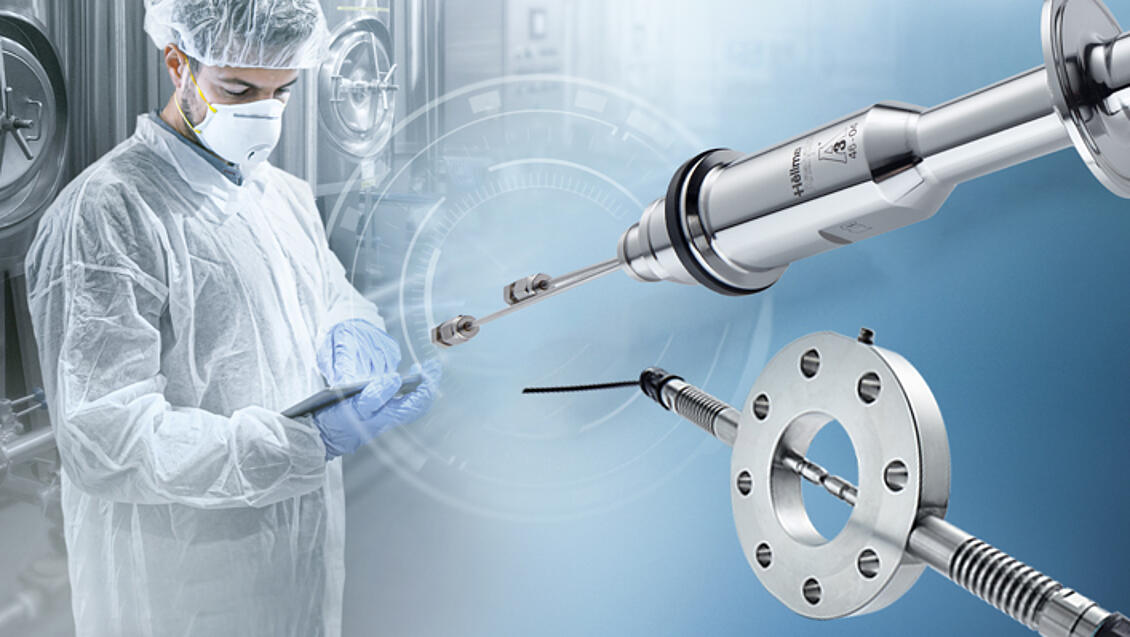
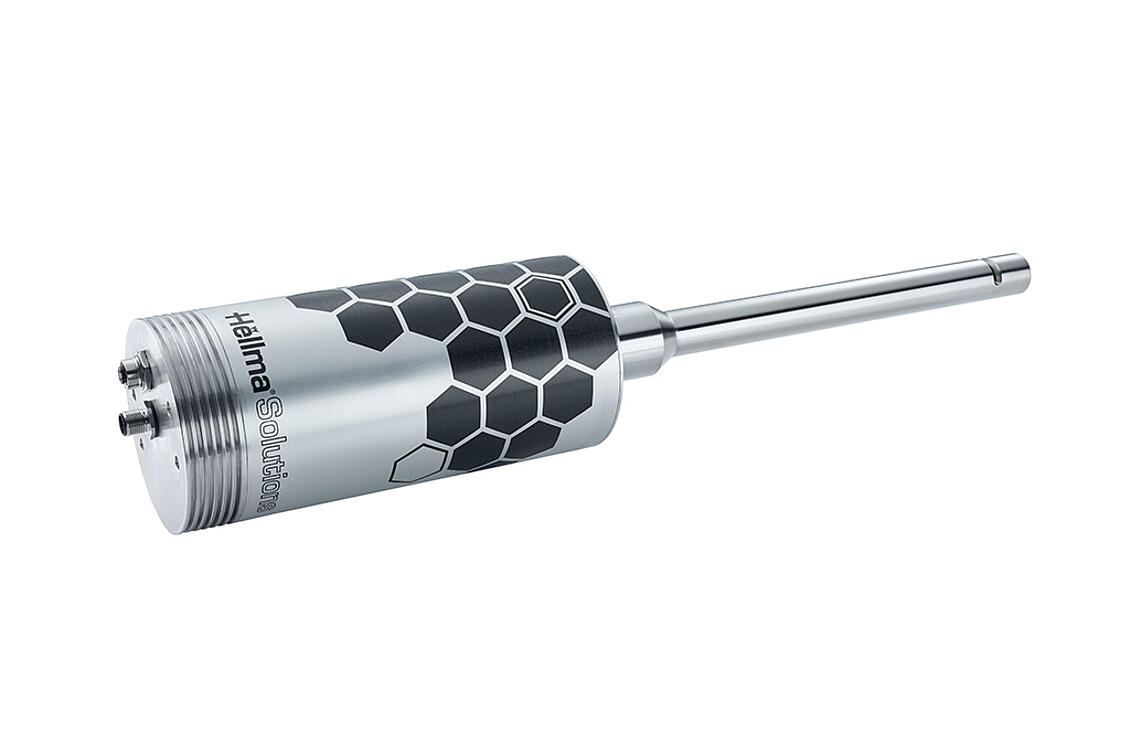
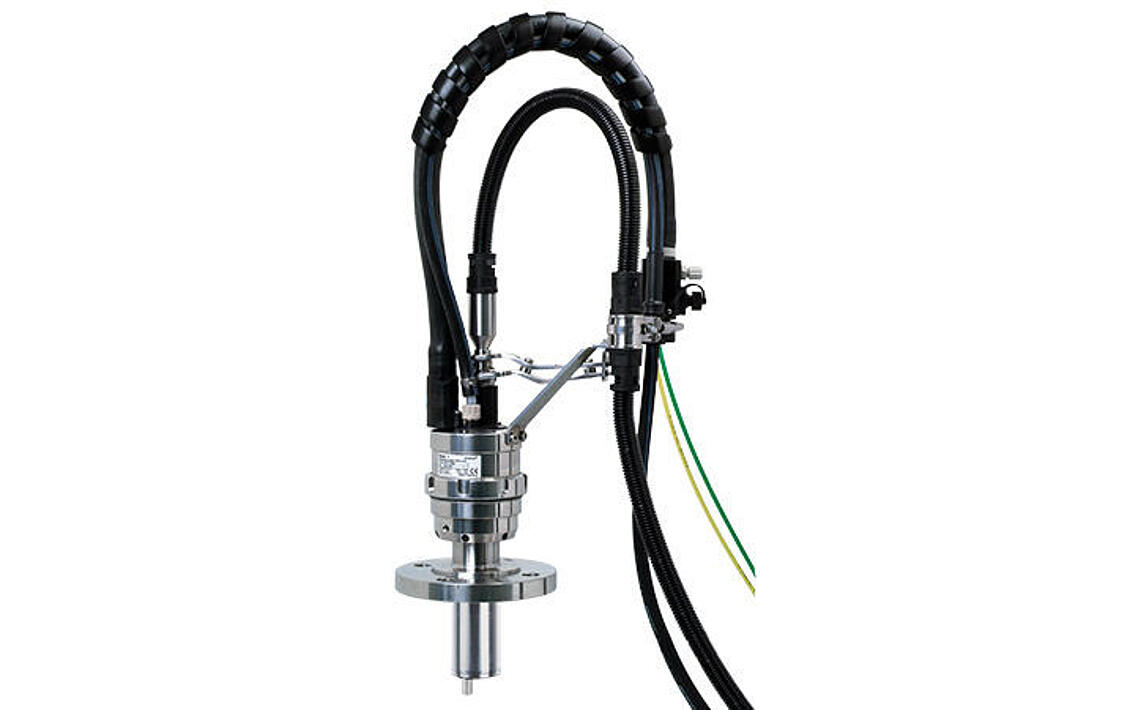
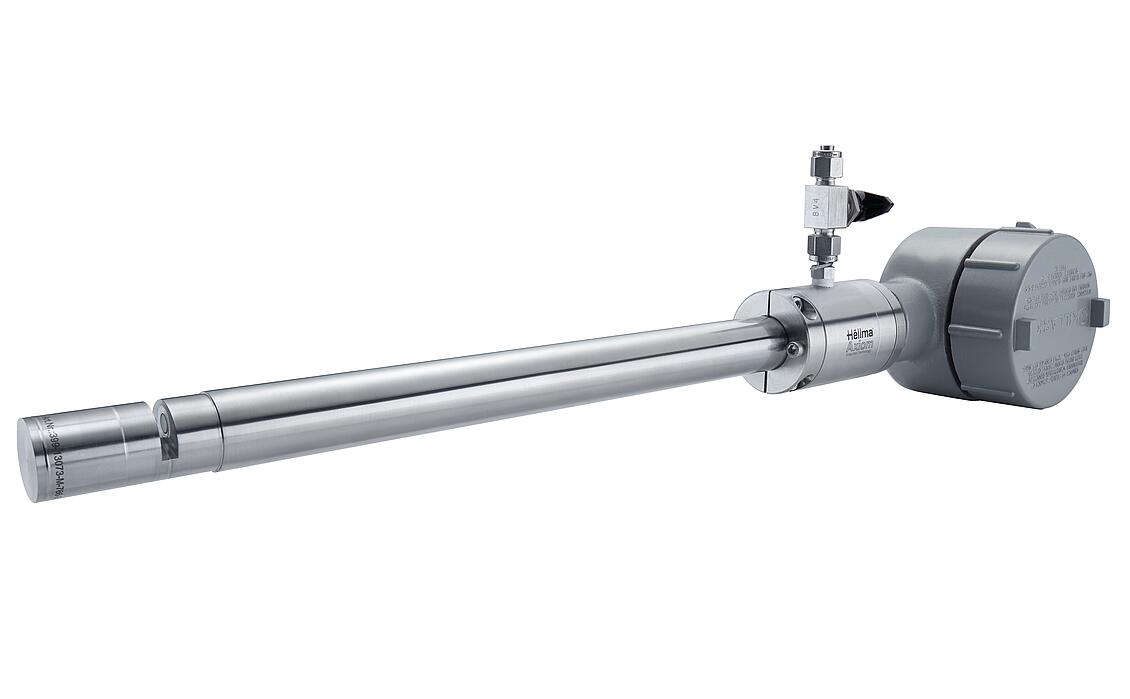
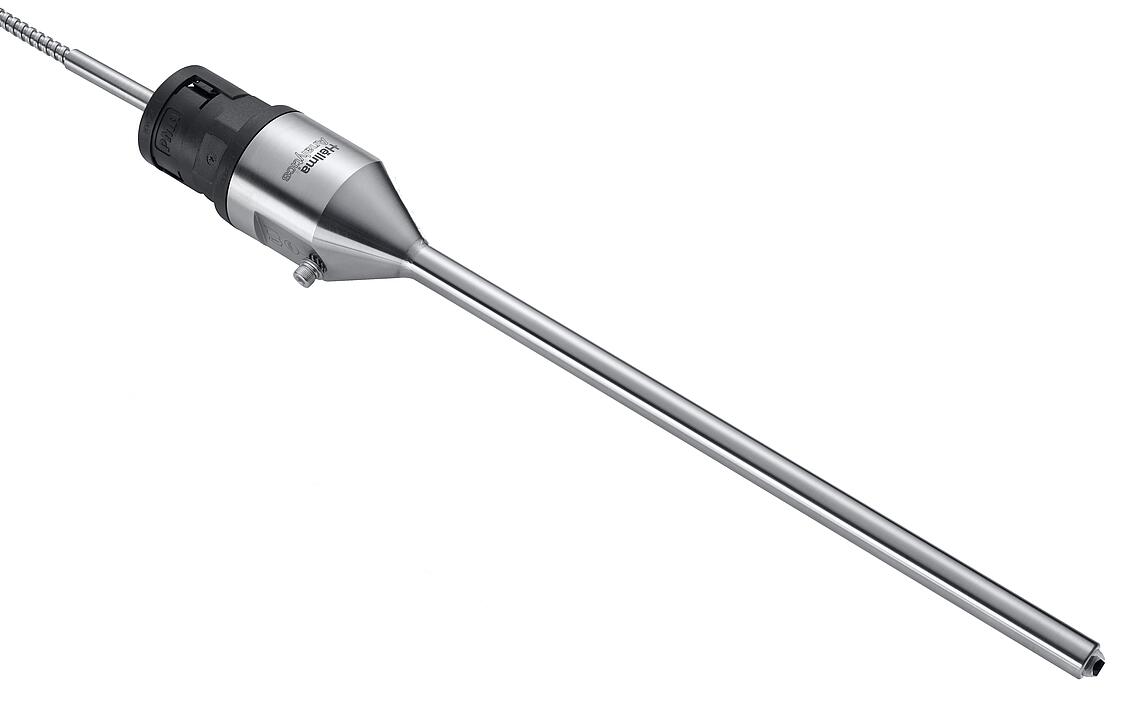
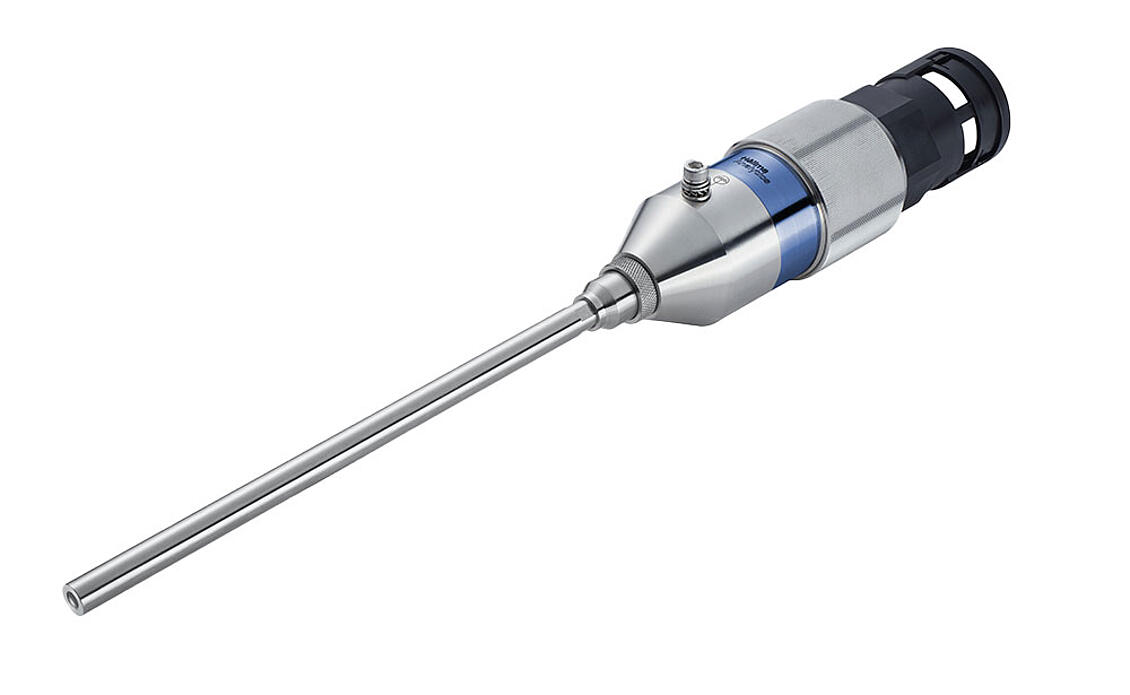
HELLMA spectroscopy probes are specifically designed for the demanding conditions of resin and monomer production. Every detail, from material selection to probe design, is optimized for industrial reality. These probes enable the measurement of numerous critical quality attributes that directly impact monomer and resin functionality, performance, and suitability for their intended applications. When processing sticky products and products with a tendency to form deposits a retractable fitting from our partner Knick can be added to allow on-site cleaning of a probe and carrying out a reference measurement in the ongoing process is possible.
Exceptional chemical resistance
Materials such as Hastelloy ensure durability even
in aggressive
media
Maximum process safety
High chemical resistance & robust sealing prevent product ingress, maintaining reliability throughout the process
Easy Cleaning & Maintenance
Retractable, exchangeable fittings enable in-process cleaning, reduce adhesion and fouling, and ensure reliable measurements.
Seamless integration
Designed for easy installation in feed and discharge, reactors and
other industrial
setups
With Hellma, you don’t just get a probe — you gain a reliable, precise, and durable measurement solution
that ensures your resin processes stay under control, every batch, every time.
We don’t just supply probes.
We enable reliable inline measurement in real industrial environments.
Most resin systems originate from ethylene, propylene, butadiene or aromatics — compounds and are converted into monomers, which are subsequently polymerized into various resins through further reactions. During their chemical synthesis, precise control of molecular properties such as hydroxyl, acid, and epoxy values is crucial.
| Monomer/Resin type | Relevant Quality Parameter |
| Acrylate Monomers | ✔ Functional groups ✔ Acid value ✔ Water content ✔ Stabilizer / inhibitor level |
| Styrene | ✔ Functional groups ✔ Peroxide value ✔ Styrene ✔ Color (APHA) ✔ Water content |
| Vinyl Chloride | ✔ Vinyl chloride content ✔ Water content ✔ Inhibitor content |
| Polyester Resin | ✔ OH number ✔ Acid number |
| Acrylic Resins | ✔ Acid number ✔ OH number |
| Urethanresins | ✔ OH number ✔ Moisture content ✔ Isocyanate Content (NCO) ✔ NCO/OH Ration (R-value) |
| Polysterol (Polysterene) | ✔ Color ✔ Moisture |
| Phenolic Resins | ✔ Functional groups ✔ Water content ✔ Styrene ✔ Peroxide value ✔ Inhibitor content (e.g. TBC) ✔ Color (APHA) |
| Alkydresins | ✔ Acid value ✔ Hydroxil value |
| Epoxy Resins | ✔ OH number ✔ Water content |
| Polyols | ✔ OH number ´ ✔ Color (APHA) ✔ Water content |
Chemistry defines performance.
Measurement defines control.
Partner with a probe manufacturer
who understands both.
Discuss Your Resin Process with us now: